Upgrade the version of golang, uninstall the old version of go, download and install the new version of go. After installation, open the GoLand compilation project and report an error, Tips error:cannot find Package XXXX. If you look at the project carefully, there is no change. The original reason is that the installation program of golang will automatically generate an environment variable gopath, which is different from my original configuration. You can solve the problem by modifying the environment variable gopath.
Vscode error parsing error: invalid ecmaVersion.eslint ‘import’
Vscode error parsing error: invalid ecmaVersion.eslint ‘import’
The latest version of eslint NPM install - G eslint needs to be installed
Error: l6242e: cannot link object arm_ cos_ f32.o as its attributes are incompat
report errors
I use AC6 as the compiler in keil MDK. I report an error when I transplant DSP library to F4. I configure it according to the online tutorial and report an error after compiling
Error: L6242E: Cannot link object arm_common_tables.o as its attributes are incompatible with the image attributes.
Error: L6242E: Cannot link object arm_cos_f32.o as its attributes are incompatible with the image attributes.
After searching on the Internet for a circle, I found no result. If I see a similar problem, I can’t try to solve it.
https://blog.csdn.net/crown133/article/details/103333704
solve
Finally, we found the answer on arm’s official developer website
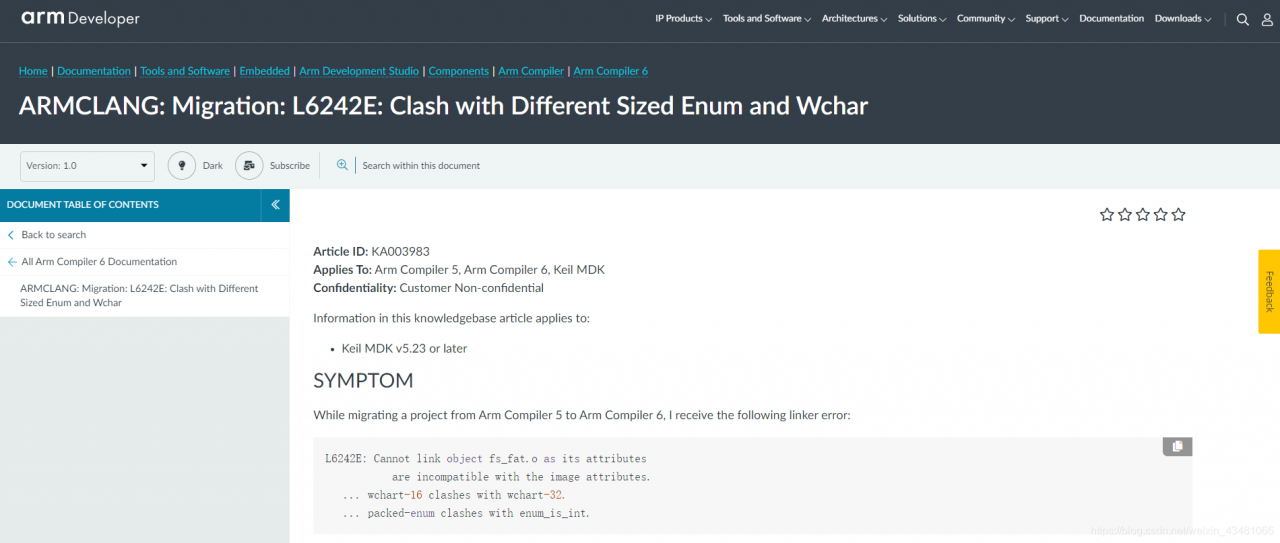
in the end https://developer.arm.com/documentation/ka003983/latest
In short, AC5 and 6 wchar_ The default size of T is not the same

according to the solution of the official website, you can open this option here
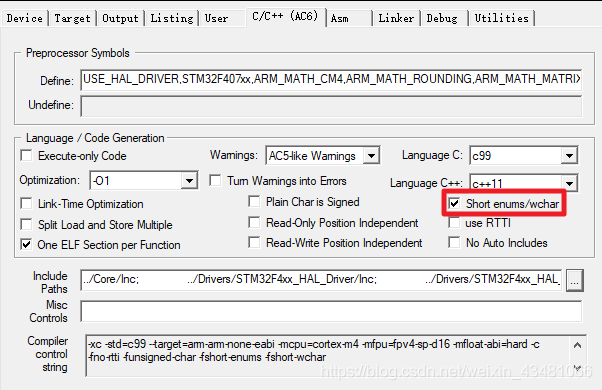
if you encounter problems in the future, you still need to find answers through official channels
Vue error: error matching template:
The error information is as follows:
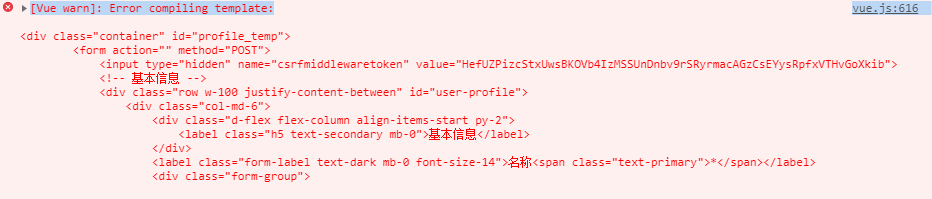
the above situation is generally caused by the following conditions:
{% verbatim%} {% endverbatim%} there are unclosed tags or redundant tags (such as div unclosed) in the range of tags bound by the UE instance el. After finding, delete or complete some tag statements cannot be bound by {{MSG}}, but by V-model. For example, input and textarea need to be bound with V-model,
To solve Anaconda error: command error out with exit status 1
Development environment:
win10 x64
cuda10.0
anaconda4.0.0
catalog
1. PIP error: cannot open D: anaconda3/scripts/pip- script.py
2. PIP switches domestic sources
3. Solve SciPy error: importerror: cannot import name ‘show_ config’ from ‘numpy’ (unknown location)
4. Solve the problem of error: command error out with exit status 1
5. After installing scikit learn, it can be imported, but the running error is: importerror: DLL load failed: the specified program cannot be found
—————————————————————————————————————————————————————-
This error is due to the dependency package version is too high (too new).
Phenomenon restore: install scikit learn with anaconda, and then install Matplotlib to report the above error.
Solution: the installed version of Matplotlib is too high, and it can be solved by reducing the version.
However, this is not the end. Generally, scikit learn installed with the CONDA command may import normally, but it is easy to report an error when using it
The solution is to uninstall sklearn, and then use pip to install it again. However, if you directly use the PIP install scikit learn command to install it, there may be errors, and the process of installing again will be very complicated
See:
After installing sklearn, it can be imported normally, but an error is reported
Welcome to my personal blog: the road of machine learning
Docker Error response from daemon: Get https://registry-1.docker.io/v2/portainer/portainer/…
Error information:
Error response from daemon: Get https://registry-1.docker.io/v2/portainer/portainer/manifests/latest: unauthorized: incorrect username or passwordReason: the account password is wrong
Need to login docker login again
Note that login uses ID, not email
Websocket: How to Fix Error Read Econnreset
error message
events.js:141
      throw er; // Unhandled 'error' event
      ^

Error: read ECONNRESET
    at exports._errnoException (util.js:870:11)
    at TCP.onread (net.js:544:26)
terms of settlement
Add event monitoring of error and close
var ws = require("nodejs-websocket");
var fs = require("fs");
var zmqutil = require('./zmqutil')

var server = ws.createServer(function (conn) {
    console.log("connection sussess");
    var push = zmqutil.socket('push')
    push.connect('tcp://127.0.0.1:7113')

    conn.on("close", function (code, reason) {
        console.log("close connection")
    });
    conn.on("error", function (code, reason) {
        console.log("close error")
    });

    ......
}When integrating redis with SSM framework, error creating bean with name ‘rediscontentserviceimpl’ defined in file
When integrating redis in SSM framework, error creating bean with name ‘rediscontentserviceimpl’ defined in file
Error report: there is a problem with bean dependency, that is, there is a problem with bean injection. Finally, we found that there was a problem with the version of the connection between redis and jedis. We found a new version and solved it.
        <dependency>
            <groupId>redis.clients</groupId>
            <artifactId>jedis</artifactId>
            <version>2.7.3</version>
        </dependency>
        <!-- spring-redis-->
        <dependency>
            <groupId>org.springframework.data</groupId>
            <artifactId>spring-data-redis</artifactId>
            <version>1.6.2.RELEASE</version>
        </dependency>
Error creating bean with name ‘redistemplate’ defined in class path resource
I set up a set of projects, using springboot version 2.3.0. When I started, I repeatedly reported errors, so I started a long journey of error finding. At first, I thought it was because the framework was not well configured. Finally, I found that it was the problem of redis.
Error one
org.springframework.data . redis.connection.RedisConnectionFactory ’ that could not be found
Error two
Error creating bean with name ‘redisTemplate’ defined in class path resource

reason
I report an error because I didn’t introduce the jedis dependency. Another reason is that the Maven dependent versions of jedis and spring boot starter data redis are incompatible, which is a common problem. The same is true when the jedisconnectionfactory cannot be created.
solve
Just introduce the jedis dependency to solve the problem
   <!--redis cache-->
   <dependency>
       <groupId>org.springframework.boot</groupId>
       <artifactId>spring-boot-starter-data-redis</artifactId>
   </dependency>
   <!--spring boot2.x The above version needs to be introduced, otherwise the startup will report an error!-->
   <dependency>
       <groupId>redis.clients</groupId>
       <artifactId>jedis</artifactId>
   </dependency>
Launch again
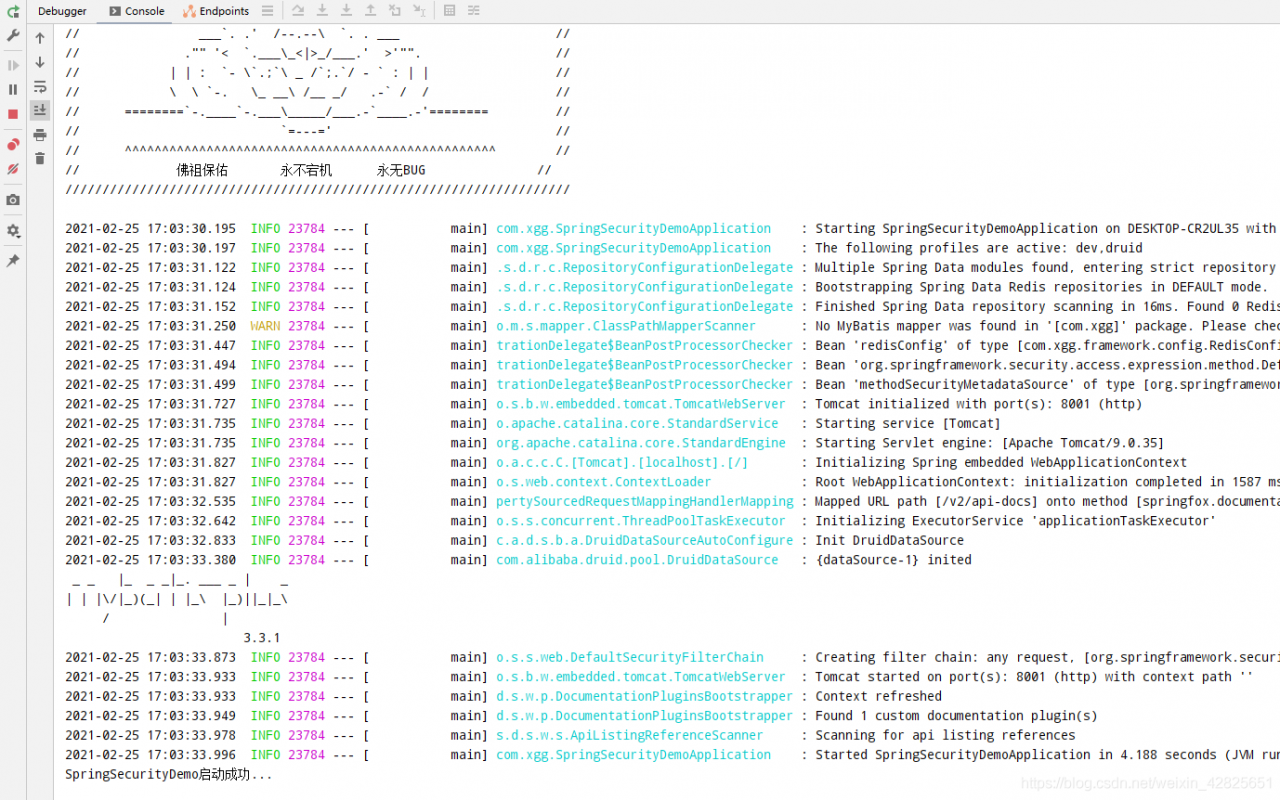
perfect solution~
K8S error validating data: ValidationError(Deployment.spec): missing required field selector
The following error is reported
This is an error when I execute the pod copy of the deployment controller. The meaning of the error is:
deployment verification error. The selector parameter must be specified in the deployment spec module.

Original yaml file
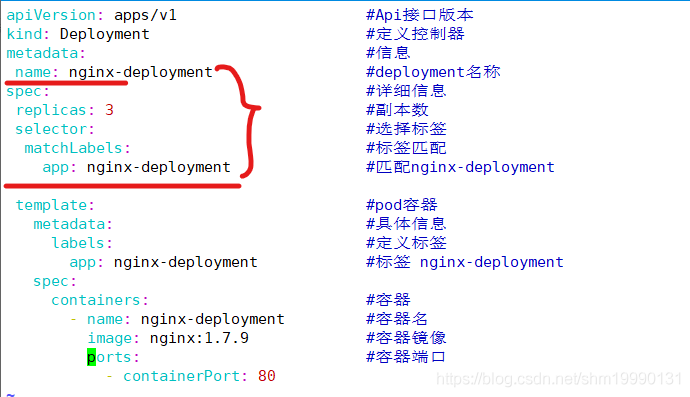
In Deployment.spec In the module, only the number of replicas is specified, and the replica label needs to be specified to match the deployment controller
apiVersion: apps/v1     #Api interface version
kind: Deployment #define controller
metadata:
 name: nginx-deployment #deployment name
spec:
 replicas: 3 #Under the specific parameter information spec, only the number of replicas is specified, you also need to specify the replica tag to match the Deployment controller

 template:
   metadata:
     labels:
       app: nginx-deployment
   spec:
     containers:
       - name: nginx-deployment
         image: nginx:1.7.9
         ports:
           - containerPort: 80
Solution: modify yaml file
As shown in the figure above, write the selector tag parameters of the full spec according to the tags on the picture, matching with pod and deployment
Execute yaml script
kubectl apply -f deployment.yaml --record

Vue Error in callback for immediate watcher “height”: “TypeError: Cannot read property ‘style’ of
Vue error vue.esm.js?eaf6 :628 [Vue warn]: Error in callback for immediate watcher “height”: “TypeError: Cannot read property ‘style’ of undefined”
TypeError: Cannot read property ‘style’ of undefined
As follows:
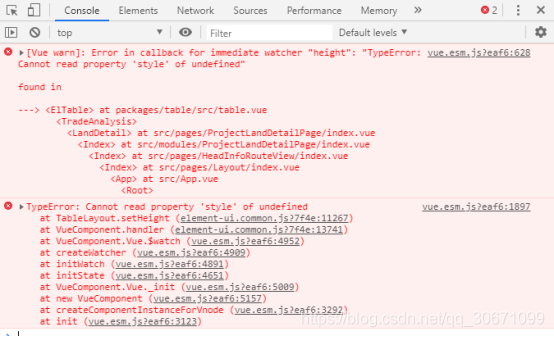
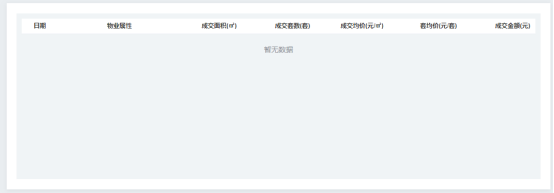
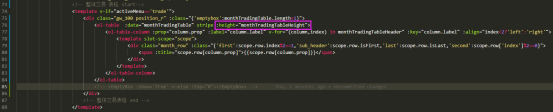
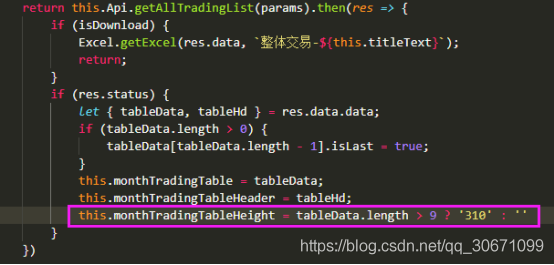
The error is because tabledata is an empty array this.monthTradingTableHeight This is empty
solve:
1. Do not render when there is no data, and add a style with no data
code:

effect:
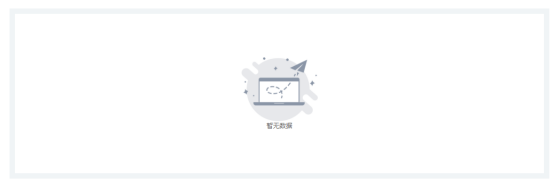
2. Or HTML code unchanged, modify JS, and give it when there is no data this.monthTradingTableHeight If you assign a value or ‘auto’, you will not report an error
code:
this.monthTradingTableHeight = tableData.length > 9 ? '310' : 'auto'effect:
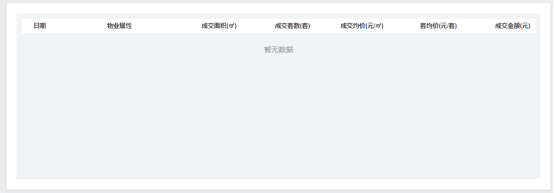
Here I choose the first solution, which is to add a style with no data.
On the error report after the command of ADB shell error:device not A solution of found
When debugging Android development and connecting mobile phones, it is clear that the development mode has been turned on and USB debugging is allowed. After connecting the mobile phone, the device still cannot be found, and an error is reported after inputting the ADB shell in the console error:device not found。 The methods on the Internet can be roughly divided into:
1. ADB kill server to kill the ADB process, and then use the ADB start server command to start it;
2. Detect port 5037( adb.exe Whether the default port is occupied or not adb.exe For processes that occupy port 5037, restart the ADB service:
2.1. ADB nodeamon server: check whether port 5037 is occupied;
2.1 2.2, netstat – ano | findstr “5037”: check which process occupies port 5037;
2.3, tasklist | findstr “21152”: check which program created this process (21152 is the PID of a process occupying port 5037);
2.4, taskkill/F/PID 21152: turn off the process;
2.5, ADB devices: display the current connected devices.
Another solution is provided here, by manually viewing the hardware ID and installing Google native Android debug driver;
1. Right click my computer – & gt; management – & gt; device management – & gt; Android phone. Here we can see the corresponding Android device driver.
2. Right click the attribute of the driver, select the hardware ID in the attribute (P) option under the details option, and record the information in the following value (V). For example, the value of a device is:
USB\VID_2A45&PID_0C02&REV_????&MI_01
USB\VID_2A45&PID_0C02&MI_01
Focus on 2a45 and 0c02.
3. Find the SDK directory of Android development and download (assuming you have downloaded it through the SDK manager) in the computer, and enter into the system of ⁃ extras ⁃ Google ⁃ USB_ In the driver folder, find Android_ winusb.inf This is a Google configuration file for Android. Found in file[ Google.NTx86 ](for 32-bit platform, 64 bit is the same as adding) in this line, you can see a lot of Android device driver information below, for example:
;Google Nexus One
%SingleAdbInterface%        = USB_Install, USB\VID_18D1&PID_0D02
%CompositeAdbInterface%     = USB_Install, USB\VID_18D1&PID_0D02&MI_01
Here, we only need to copy the driver information in the format of this file, and modify it with 2a45 and 0c02 obtained in 2, as follows:
;MEIZU metal
%SingleAdbInterface%        = USB_Install, USB\VID_2A45&PID_0C02
%CompositeAdbInterface%     = USB_Install, USB\VID_2A45&PID_0C02&MI_01
Save and close.
4. Uninstall the original driver and restart the computer. Make sure that the mobile phone has entered the developer mode and allows USB debugging. Select the connection mode to transfer files. Then right click computer – & gt; manage – & gt; device management – & gt; other devices again. You can see a question mark on the ADB interface option, indicating that the driver is not installed correctly. Select the ADB interface and right-click to select Update Driver Software – & gt; browse the computer to find the driver software. In browsing, select Android, the hardware device driver information file that we added before_ winusb.inf The folder of (d): – Android – SDK – Extras – Google – USB_ In this case, you only need to select a folder, not a file). Next, choose always install.
5. After successful installation, an Android phone option will appear in device management.