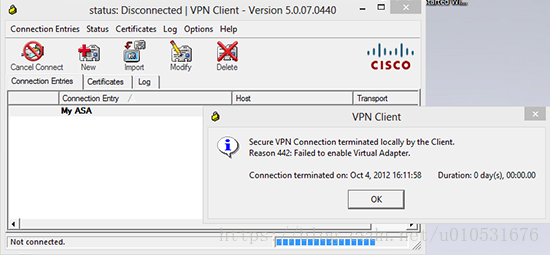
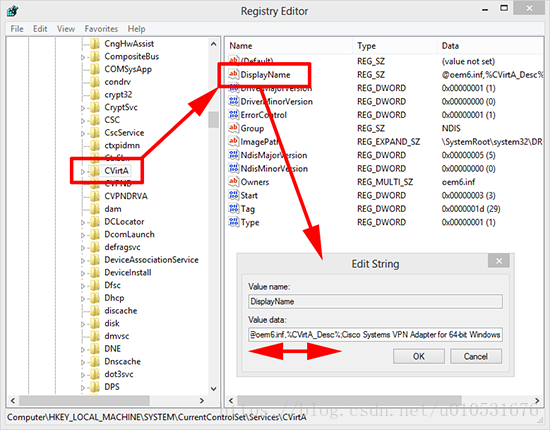
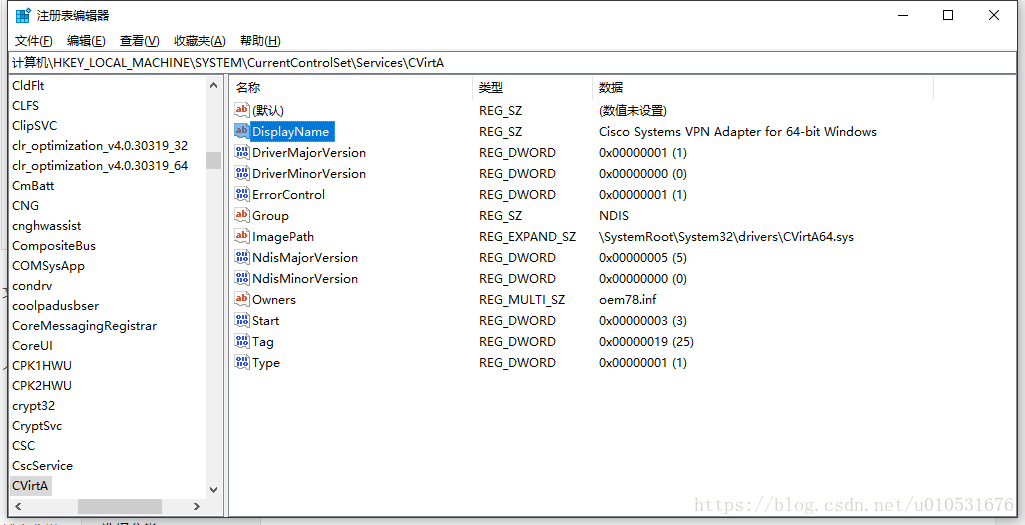
Conda install -c anaconda cudatoolkit
conda installation error
solution:
runs the previous command until the installation is complete.
Conda install -c anaconda cudatoolkit
conda installation error
solution:
runs the previous command until the installation is complete.
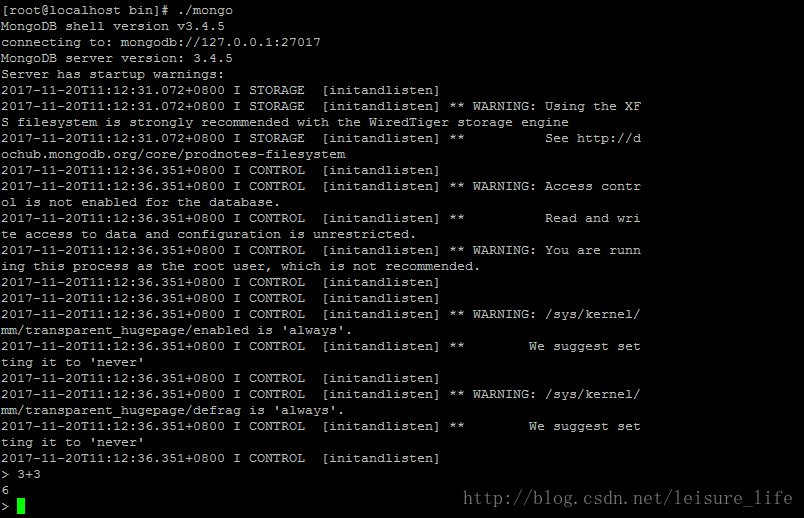
[root@localhost bin]# ./mongo
MongoDB shell version v3.4.5
connecting to: mongodb://127.0.0.1:27017
2017-11-20T11:10:49.895+0800 W NETWORK  [thread1] Failed to connect to 127.0.0.1                                                                                        :27017, in(checking socket for error after poll), reason: Connection refused
2017-11-20T11:10:49.896+0800 E QUERY    [thread1] Error: couldn't connect to ser                                                                                        ver 127.0.0.1:27017, connection attempt failed :
connect@src/mongo/shell/mongo.js:237:13
@(connect):1:6
exception: connect failed
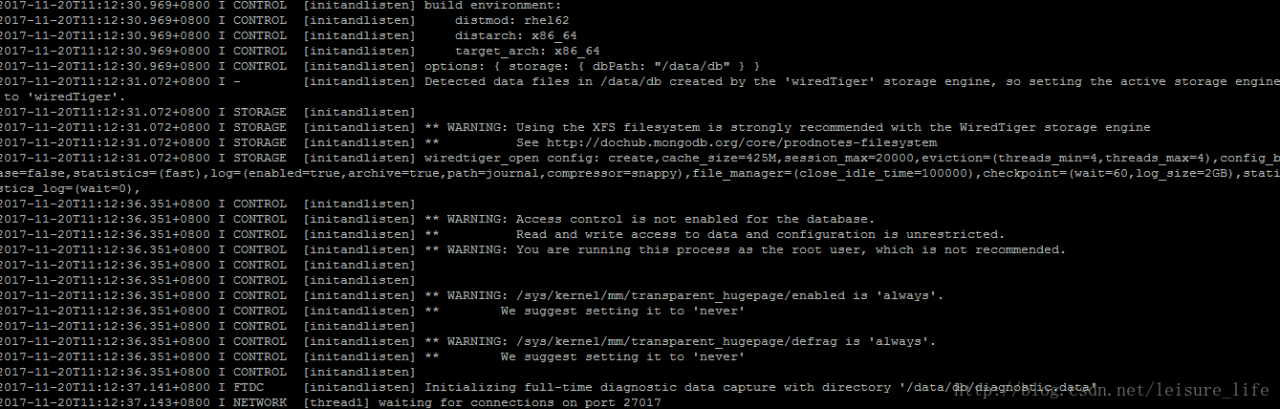
The reason is that the database location is not specified
./mongod --dbpath /data/dbIf your database directory is not /data/db, you can use the -dbpath to specify
. Start service
join
3. Create a new “notepad” and copy as follows:
Windows Registry Editor Version 5.00
[HKEY_CLASSES_ROOT\*\shell\runas]
@=” administrator takes ownership”
“NoWorkingDirectory”=””
[HKEY_CLASSES_ROOT\*\shell\runas\command]
@=”cmd.exe /c takeown /f \”%1\” & & icacls \”%1\” /grant administrators:F”
“IsolatedCommand”=”cmd.exe /c takeown /f \”%1\” & & icacls \”%1\” /grant administrators:F”
[HKEY_CLASSES_ROOT\exefile\shell\runas2]
@=” administrator takes ownership”
“NoWorkingDirectory”=””
[HKEY_CLASSES_ROOT\exefile\shell\runas2\command]
@=”cmd.exe /c takeown /f \”%1\” & & icacls \”%1\” /grant administrators:F”
“IsolatedCommand”=”cmd.exe /c takeown /f \”%1\” & & icacls \”%1\” /grant administrators:F”
[HKEY_CLASSES_ROOT\Directory\shell\runas]
@=” administrator takes ownership”
“NoWorkingDirectory”=””
[HKEY_CLASSES_ROOT\Directory\shell\runas\command]
@=”cmd.exe /c takeown /f \”%1\” /r /d y & & icacls \”%1\” /grant administrators:F /t”
“IsolatedCommand”=”cmd.exe /c takeown /f \”%1\” /r /d y & & icacls \”%1\” /grant administrators:F /t”
and then save as win7 to get administrator privileges. Reg, suffix must be.reg
imports the saved registry information, thus gaining WIN7 administrator rights.
right click on the folder and “administrator takes ownership” will appear
the second method:
ctrl+r
input lusrmgr. MSC
user — double-click administrator to uncheck the “account disabled” check
logout
select administrator account to log in
Write custom directory titles here
urllib.error.URLError:
urllib.error.URLError: < Urlopen Error [WinError 10060] Connection attempt failed because the connector did not reply correctly after a period of time or the connected host did not respond. >
I used youTube-DL to download YouTube videos, but reported this error. You can access YouTube in your browser or you can download videos. No multithreading is used, and the import is urlopen in urllib.request. The solution is to set up the proxy for the command line. On the command line, type:
set http_proxy=http://127.0.0.1:1080
since I am using the HTTP protocol, I set the proxy for HTTP. If the HTTPS protocol is used, type:
set https_proxy=http://127.0.0.1:1080
it took all afternoon to finally fix it!
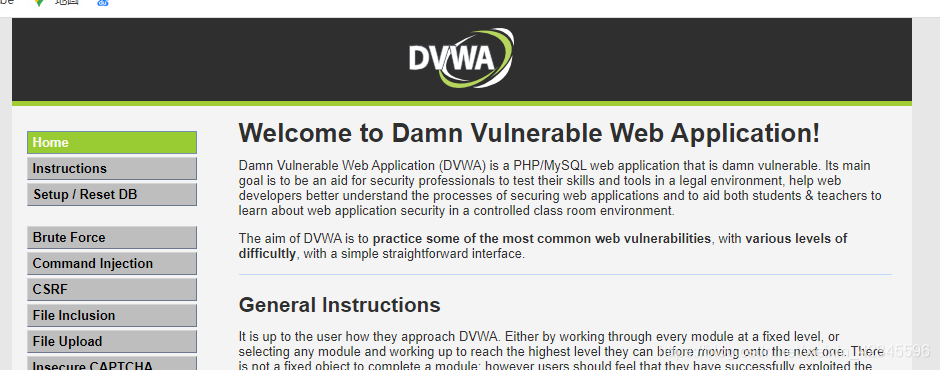
I just installed dvWA range environment. After debugging, I executed the SystemCTL Restart PHP-FPM command as root user, and then reported this error:
[root@localhost ~]# systemctl restart php-fpm
** (pkttyagent:10946): WARNING **: 17:09:31.957: Unable to register authentication agent: GDBus.Error:org.freedesktop.PolicyKit1.Error.Failed: Cannot determine user of subject
Error registering authentication agent: GDBus.Error:org.freedesktop.PolicyKit1.Error.Failed: Cannot determine user of subject (polkit-error-quark, 0)
Refer to such a document, found that was caused by x permissions lost, reference document links: https://blog.csdn.net/huangjin0507/article/details/51536454
The following command is used:
[root@localhost ~]# chmod 755 /
With the changes, the problem disappeared, PHP was rebooted, and DVWA was successfully accessed.

http://www.huangshaotian.com/technical/others/openproj%E6%89%93%E5%BC%80%E4%B8%8D%E4%BA%86%E6%88%96%E8%80%85%E6%8F%90%E7%A4%BAfailed-to-load-java-vm-library%E7%9A%84%E9%94%99%E8%AF%AF%E7%9A%84%E8%A7%A 3%E5%86%B3%E6%96%B9%E6%A1%88.html
describe
Airmon-ng is used to convert the wireless interface between managed and Monitor modes. Enter the airmon-ng command with no arguments, and the current interface state is displayed.
usage
airmon-ng <start|stop> <interface> [channel]Or:
airmon-ng <check|check kill>Among them:
< start|stop > Means to turn on or off an interface (force) < interface > Specify the interface (force) [channel] to set the network card to a specific channel (optional) < check|check kill > “Check lists all processes that affect aircrack-ng work, and it is highly recommended to stop these processes when using the Aircrack-ng kit.” Check Kill “lists and kills processes that affect Aircrack-ng.
Usage example
1. Check the status of each interface:
~# airmon-ng
PHY Interface   Driver      Chipset

phy0    wlan0       ath9k_htc   Atheros Communications, Inc. AR9271 802.11n
When we place the network card in monitor mode, we automatically check the processes affecting aircrack-ng. You can also check manually by using the following command:
~# airmon-ng check
Found 5 processes that could cause trouble.
If airodump-ng, aireplay-ng or airtun-ng stops working after
a short period of time, you may want to kill (some of) them!

  PID Name
  718 NetworkManager
  870 dhclient
 1104 avahi-daemon
 1105 avahi-daemon
 1115 wpa_supplicant
3. Kill processes affecting aircrack-ng
the following command will stop network managers and then kill all processes affecting aircrack-ng:
~# airmon-ng check kill
Killing these processes:

  PID Name
  870 dhclient
 1115 wpa_supplicant
Before starting monitor mode, network managers (airmon-ng check kill) need to be turned off:
~# airmon-ng start wlan0
Found 5 processes that could cause trouble.
If airodump-ng, aireplay-ng or airtun-ng stops working after
a short period of time, you may want to kill (some of) them!

  PID Name
  718 NetworkManager
  870 dhclient
 1104 avahi-daemon
 1105 avahi-daemon
 1115 wpa_supplicant

PHY Interface   Driver      Chipset

phy0    wlan0       ath9k_htc   Atheros Communications, Inc. AR9271 802.11n
        (mac80211 monitor mode vif enabled for [phy0]wlan0 on [phy0]wlan0mon)
        (mac80211 station mode vif disabled for [phy0]wlan0)
As we can see, Airmon-ng has created a new interface for us, Wlan0mon, and lists some processes that might affect Aircrack-ng.
5. Turn off monitor mode
~# airmon-ng stop wlan0mon
PHY Interface   Driver      Chipset

phy0    wlan0mon    ath9k_htc   Atheros Communications, Inc. AR9271 802.11n
        (mac80211 station mode vif enabled on [phy0]wlan0)
        (mac80211 monitor mode vif disabled for [phy0]wlan0mon)
Don’t forget to restart the Network Manager, usually by using the following command:
service network-manager startMadwifi-ng-driven Monitor mode
The following describes how to place the MADwifi-NG-driven network card in Monitor mode. After starting the computer, input “iwconfig” to display the current status of wireless interface, and the screen will display:
 lo        no wireless extensions.

 eth0      no wireless extensions.

 wifi0     no wireless extensions.

 ath0      IEEE 802.11b  ESSID:""  Nickname:""
           Mode:Managed  Channel:0  Access Point: Not-Associated
           Bit Rate:0 kb/s   Tx-Power:0 dBm   Sensitivity=0/3
           Retry:off   RTS thr:off   Fragment thr:off
           Encryption key:off
           Power Management:off
           Link Quality:0  Signal level:0  Noise level:0
           Rx invalid nwid:0  Rx invalid crypt:0  Rx invalid frag:0
           Tx excessive retries:0  Invalid misc:0   Missed beacon:0
If you want to use ATH0 (which is already in use), first:
airmon-ng stop ath0The screen will say:
 Interface       Chipset         Driver

 wifi0           Atheros         madwifi-ng
 ath0            Atheros         madwifi-ng VAP (parent: wifi0) (VAP destroyed)
Now, enter “iwconfig” and the screen will display:
 lo        no wireless extensions.

 eth0      no wireless extensions.

 wifi0     no wireless extensions.
We can see that ath0 is no longer there, and then we can turn on Monitor mode on ath0 using the following command:
airmon-ng start wifi0The screen will say:
 Interface       Chipset         Driver

 wifi0           Atheros         madwifi-ng
 ath0            Atheros         madwifi-ng VAP (parent: wifi0) (monitor mode enabled)
Now enter “iwconfig” and the screen will display:
 lo        no wireless extensions.

 eth0      no wireless extensions.

 wifi0     no wireless extensions.

 ath0      IEEE 802.11g  ESSID:""
        Mode:Monitor  Frequency:2.452 GHz  Access Point: 00:0F:B5:88:AC:82
        Bit Rate=2 Mb/s   Tx-Power:18 dBm   Sensitivity=0/3
        Retry:off   RTS thr:off   Fragment thr:off
        Encryption key:off
        Power Management:off
        Link Quality=0/94  Signal level=-96 dBm  Noise level=-96 dBm
        Rx invalid nwid:0  Rx invalid crypt:0  Rx invalid frag:0
        Tx excessive retries:0  Invalid misc:0   Missed beacon:0
We can see that ATH0 is now in Monitor mode. Also note that essid, Nickname, and Encryption are kept in an unset state. The access point displays the MAC address of the network card (only in the Madwifi-NG driver, not in other drivers). If ATH1, ATH2, and so on are also running, you need to stop them before you can do the above:
airmon-ng stop ath1Channels can be set by adding the number of channels after the command:
airmon-ng start wifi0 9Use the tips
The “iwconfig” command can be used to verify whether the network card is in monitor mode. At this time, the interface name and mode are displayed. For madwiFi-NG-driven network CARDS, the access point displays the MAC address of the network card.
2. Set the current channel
to use “iwlist < interface name> The “channel” command sets the current channel. If we want to work at a specific access point, then the current channel must match the access point. In this case, it is a good idea to first run the airmon-ng command using parameters that set the channel.
3. BSSID
with Spaces and special characters see this article
4. How to set the network card back to managed mode
depends on what kind of driver we are using. For other drivers besides madwifi-ng:
airmon-ng stop <interface name>For madwi-NG drivers:
airmon-ng stop athXWhere X stands for 0,1,2, and so on. For all the interfaces listed in iwconfig, use the command above to stop them, and then:
wlanconfig ath create wlandev wifi0 wlanmode staYou can also see the Madwifi-NG documentation here. With the mac80211 driver, nothing needs to be done because airmon-ng stays managed mode. If the Monitor mode is no longer needed, just stop it:
airmon-ng stop monXWhere X is the monitor connection number, typically 0 (unless multiple Monitor modes are on).
Common problems and solutions
In general, Linux distributions will have ath0 or more athX interfaces. These interfaces must be closed before we can use the above command. Another major is to ensure that the essid, nickname, encryptions has not been set.
The Airmon-NG display interface is not in Monitor mode
~# airmon-ng stop wlan0mon
PHY Interface   Driver      Chipset

phy0    wlan0mon    ath9k_htc   Atheros Communications, Inc. AR9271 802.11n

You are trying to stop a device that isn't in monitor mode.
Doing so is a terrible idea, if you really want to do it then you
need to type 'iw wlan2mon del' yourself since it is a terrible idea.
Most likely you want to remove an interface called wlan[0-9]mon
If you feel you have reached this warning in error,
please report it.
Most likely, the interface is changed from monitor mode to managed mode by network Namager. When this happens, it indicates that the airmon-ng check kill command was not initially used to end the Network Manager.
The network card is already in monitor mode, but it does not show
, ibid. This is supposed to be due to an attempt to place the network card in monitor mode before ending the network manager, which then changes the mode of the network card.
The interface ath1 was created instead of ath0
due to the madwifi-ng driver. First, try to stop all running VAP interfaces:
airmon-ng stop IFACEWhere IFACE represents the interface name, you can use iwconfig to see which interface you want to stop. Then, use the command:
airmon-ng start wifi0If the problem remains unresolved, see this article.
Why is there “ioctl (SIOCGIFINDEX) failed”
if there is the following error message:
“SIOCSIFFLAGS: No such file or directory” “ioctl(SIOCGIFINDEX) failed: No such device”
lags behind in the article
Error message: “wlanconfig: command not found”
if there is a similar error message, it means that the wlanconfig command is not in the w system or is not in the path. If the former is the case, make install should be ensured after compiling the Madwi-NG driver, and Apt-get install madwi-Tools should be used in Ubuntu. If the latter, you need the command locate or find to locate the folder where that command is located. The file directory is then added to the path.
Airmon-ng displays RT2500 not RT73
see this article
Error message: “add_iface: Permission denied”
if the error message is:
 Interface       Chipset         Driver

 wlan0                   iwl4965 - [phy0]/usr/sbin/airmon-ng: line 338: /sys/class/ieee80211/phy0/add_iface: Permission denied
                               mon0: unknown interface: No matching device found
                               (monitor mode enabled on mon0)
Or as follows:
 wlan0   iwlagn - [phy0]/usr/local/sbin/airmon-ng: 856: cannot create /sys/class/ieee80211/phy0/add_iface: Directory nonexistent
 Error for wireless request "Set Mode" (8B06) :
  SET failed on device mon0 ; No such device.
 mon0: ERROR while getting interface flags: No such device
This indicates that airmon-ng’s version is older. Update airmon-ng and try again.
Check kill failed
Distros is using “upstart” instead of /sbin/init from now on, so you need to do it manually:
 service network-manager stop
 service avahi-daemon stop
 service upstart-udev-bridge stop
Then find and kill the DHClient and WPA_supplicant processes
SIOCSIFFLAGS: error Unknown 132
# airmon-ng start wlan0
Interface   Chipset     Driver
wlan0       Broadcom    b43 - [phy0]SIOCSIFFLAGS: Unknown error 132
                (monitor mode enabled on mon0)
This indicates that RF is congested. Try typing the following command:
rfkill unblock allToday I did a little demo using the Search API on Twitter. Create a new project and write the following test code directly in the Page_Load of the test page.
     protected void Page_Load(object sender, EventArgs e)
        {
string urlPost = "http://search.twitter.com/search.json";

string postData = "q=twitterapi";
            UTF8Encoding encoding = new UTF8Encoding();
byte[] byteData = encoding.GetBytes(postData);

            HttpWebRequest request = (HttpWebRequest)WebRequest.Create(urlPost);
            request.Method = "POST";
            request.ContentType = "application/x-www-form-urlencoded";
            request.ContentLength = byteData.Length;

            Stream requestStream = request.GetRequestStream();
            requestStream.Write(byteData, 0, byteData.Length);
            requestStream.Close();

            HttpWebResponse response = (HttpWebResponse)request.GetResponse();

            Stream receiveStream = response.GetResponseStream();

            StreamReader readStream = new StreamReader(receiveStream, Encoding.UTF8);

            Response.Write("Response stream received.");
            Response.Write(readStream.ReadToEnd());
            response.Close();
            readStream.Close();
        }
Unfortunately, The error “The remote Server has returned an Error: (417) taught failed” appeared.
At first, I thought it was the “great Firewall”, but it was still the same after connecting to THE VPN, so I went online to find a solution, and finally I found the reason.
“This error can be caused by a client network environment (Don’t Support “100 continue”). Add the following to the program’s configuration file and give it a try.” The original address: http://0e2.net/post/1184.html
<configuration>
<system.net>
<settings>
<servicePointManager expect100Continue="false" />
</settings>
</system.net>
</configuration>
Test, success!!
Reproduced in: https://www.cnblogs.com/aimarAgt/archive/2011/08/17/2143177.html
Yesterday, the company’s server upgraded the hardware, only upgraded CPU and memory, and then after the restart, things running online will not run, check, all ports and services are open, firewall those, the results found that the ports and services, firewall allowed ports are open
Still can not run, to 10 o ‘clock in the evening, suddenly a friend said, or turn off the firewall to try, the result is good, forgot to check the firewall information
The only port we’ve used so far is
cat: /etc/sysconfig/iptables: Permission denied
[dev@chttl-8a6e210a8d27536a ~]$ sudo cat /etc/sysconfig/iptables
# Firewall configuration written by system-config-firewall
# Manual customization of this file is not recommended.
*filter
:INPUT ACCEPT [0:0]
:FORWARD ACCEPT [0:0]
:OUTPUT ACCEPT [0:0]
-A INPUT -m state --state ESTABLISHED,RELATED -j ACCEPT
-A INPUT -p icmp -j ACCEPT
-A INPUT -i lo -j ACCEPT
-A INPUT -m state --state NEW -m tcp -p tcp --dport 21 -j ACCEPT
-A INPUT -m state --state NEW -m tcp -p tcp --dport 22 -j ACCEPT-A INPUT -m state --state NEW -m tcp -p tcp --dport 25 -j ACCEPT
-A INPUT -m state --state NEW -m tcp -p tcp --dport 80 -j ACCEPT
-A INPUT -m state --state NEW -m tcp -p tcp --dport 3306 -j ACCEPT
-A INPUT -m state --state NEW -m tcp -p tcp --dport 27017 -j ACCEPT
-A INPUT -j REJECT --reject-with icmp-host-prohibited
-A FORWARD -j REJECT --reject-with icmp-host-prohibited
And that’s all,
The results after checking the firewall information found that TM also used SMB this I really do not understand
ack)
Jul 17 09:08:32 chttl-8a6e210a8d27536a smbd[1567]:   failed to retrieve printer list: NT_STATUS_UNSUCCESSFUL
Jul 17 09:21:32 chttl-8a6e210a8d27536a smbd[28014]: [2015/07/17 09:21:32.803089,  0] printing/print_cups.c:151(cups_connect)
Jul 17 09:21:32 chttl-8a6e210a8d27536a smbd[28014]:   Unable to connect to CUPS server localhost:631 - Connection refused
Jul 17 09:21:32 chttl-8a6e210a8d27536a smbd[1567]: [2015/07/17 09:21:32.803424,  0] printing/print_cups.c:528(cups_async_callback)
Jul 17 09:21:32 chttl-8a6e210a8d27536a smbd[1567]:   failed to retrieve printer list: NT_STATUS_UNSUCCESSFUL
Jul 17 09:34:33 chttl-8a6e210a8d27536a smbd[31824]: [2015/07/17 09:34:33.385856,  0] printing/print_cups.c:151(cups_connect)
Jul 17 09:34:33 chttl-8a6e210a8d27536a smbd[31824]:   Unable to connect to CUPS server localhost:631 - Connection refused
Jul 17 09:34:33 chttl-8a6e210a8d27536a smbd[1567]: [2015/07/17 09:34:33.386165,  0] printing/print_cups.c:528(cups_async_callback)
Jul 17 09:34:33 chttl-8a6e210a8d27536a smbd[1567]:   failed to retrieve printer list: NT_STATUS_UNSUCCESSFUL
Jul 17 09:47:34 chttl-8a6e210a8d27536a smbd[3272]: [2015/07/17 09:47:34.017469,  0] printing/print_cups.c:151(cups_connect)
Jul 17 09:47:34 chttl-8a6e210a8d27536a smbd[3272]:   Unable to connect to CUPS server localhost:631 - Connection refused
Jul 17 09:47:34 chttl-8a6e210a8d27536a smbd[1567]: [2015/07/17 09:47:34.017824,  0] printing/print_cups.c:528(cups_async_callback)
Jul 17 09:47:34 chttl-8a6e210a8d27536a smbd[1567]:   failed to retrieve printer list: NT_STATUS_UNSUCCESSFUL
Jul 17 10:00:34 chttl-8a6e210a8d27536a smbd[7256]: [2015/07/17 10:00:34.651162,  0] printing/print_cups.c:151(cups_connect)
Jul 17 10:00:34 chttl-8a6e210a8d27536a smbd[7256]:   Unable to connect to CUPS server localhost:631 - Connection refused
Jul 17 10:00:34 chttl-8a6e210a8d27536a smbd[1567]: [2015/07/17 10:00:34.651720,  0] printing/print_cups.c:528(cups_async_callback)
Jul 17 10:00:34 chttl-8a6e210a8d27536a smbd[1567]:   failed to retrieve printer list: NT_STATUS_UNSUCCESSFUL
Jul 17 10:13:35 chttl-8a6e210a8d27536a smbd[11582]: [2015/07/17 10:13:35.362361,  0] printing/print_cups.c:151(cups_connect)
Jul 17 10:13:35 chttl-8a6e210a8d27536a smbd[11582]:   Unable to connect to CUPS server localhost:631 - Connection refused
Jul 17 10:13:35 chttl-8a6e210a8d27536a smbd[1567]: [2015/07/17 10:13:35.362682,  0] printing/print_cups.c:528(cups_async_callback)
Jul 17 10:13:35 chttl-8a6e210a8d27536a smbd[1567]:   failed to retrieve printer list: NT_STATUS_UNSUCCESSFUL
Jul 17 10:26:35 chttl-8a6e210a8d27536a smbd[15564]: [2015/07/17 10:26:35.823554,  0] printing/print_cups.c:151(cups_connect)
Jul 17 10:26:35 chttl-8a6e210a8d27536a smbd[15564]:   Unable to connect to CUPS server localhost:631 - Connection refused
Jul 17 10:26:35 chttl-8a6e210a8d27536a smbd[1567]: [2015/07/17 10:26:35.823862,  0] printing/print_cups.c:528(cups_async_callback)
Jul 17 10:26:35 chttl-8a6e210a8d27536a smbd[1567]:   failed to retrieve printer list: NT_STATUS_UNSUCCESSFUL
Jul 17 10:39:36 chttl-8a6e210a8d27536a smbd[19370]: [2015/07/17 10:39:36.439927,  0] printing/print_cups.c:151(cups_connect)
Jul 17 10:39:36 chttl-8a6e210a8d27536a smbd[19370]:   Unable to connect to CUPS server localhost:631 - Connection refused
Jul 17 10:39:36 chttl-8a6e210a8d27536a smbd[1567]: [2015/07/17 10:39:36.440280,  0] printing/print_cups.c:528(cups_async_callback)
Jul 17 10:39:36 chttl-8a6e210a8d27536a smbd[1567]:   failed to retrieve printer list: NT_STATUS_UNSUCCESSFUL
I still don’t understand what this 631 port is for
I checked. Yes
Samba server is Unable to connect to CUPS Server localhost:631 — denied the connection
So this is a real problem. I didn’t use Samba in the first place, but then I thought, well, maybe it’s the Yamaxun server, so it’s a problem
To sum up, I still want to look at the log. I looked at the Apache log and the PHP log, but I forgot to look at the firewall log. I thought I wanted to open the ports, the results, or wrong, never think that to actually do it