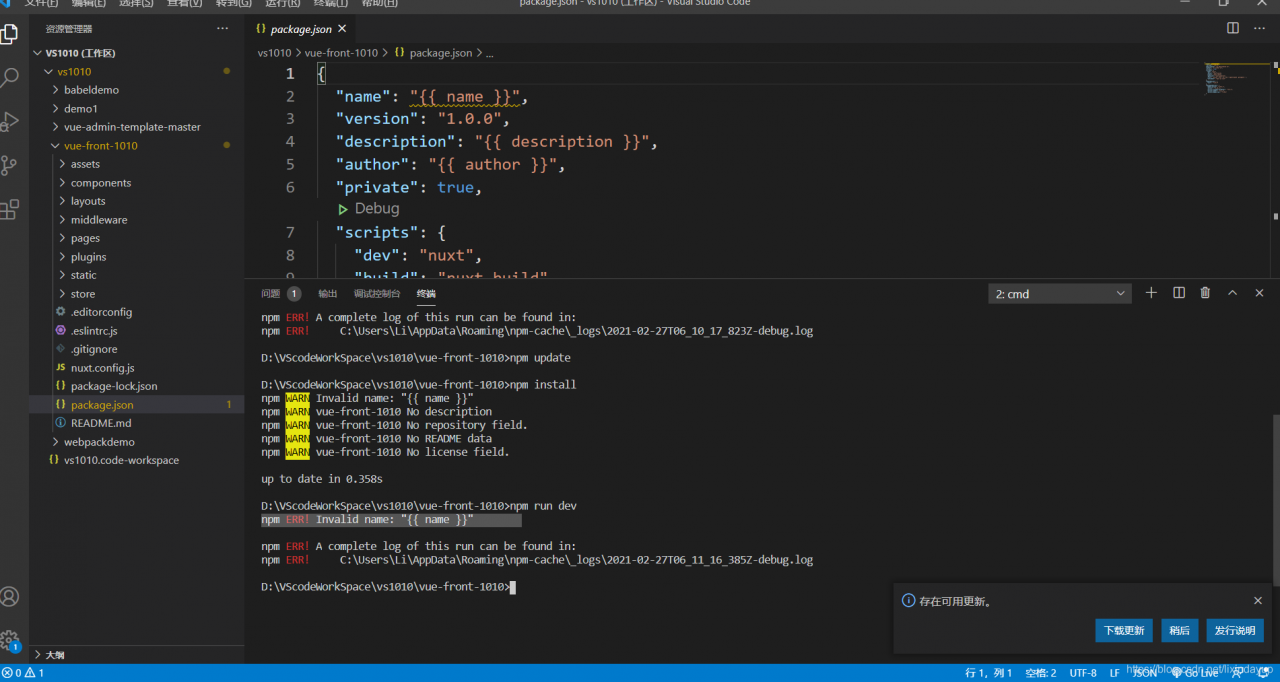
ason:
d>not configure the project name, etc
Solution:
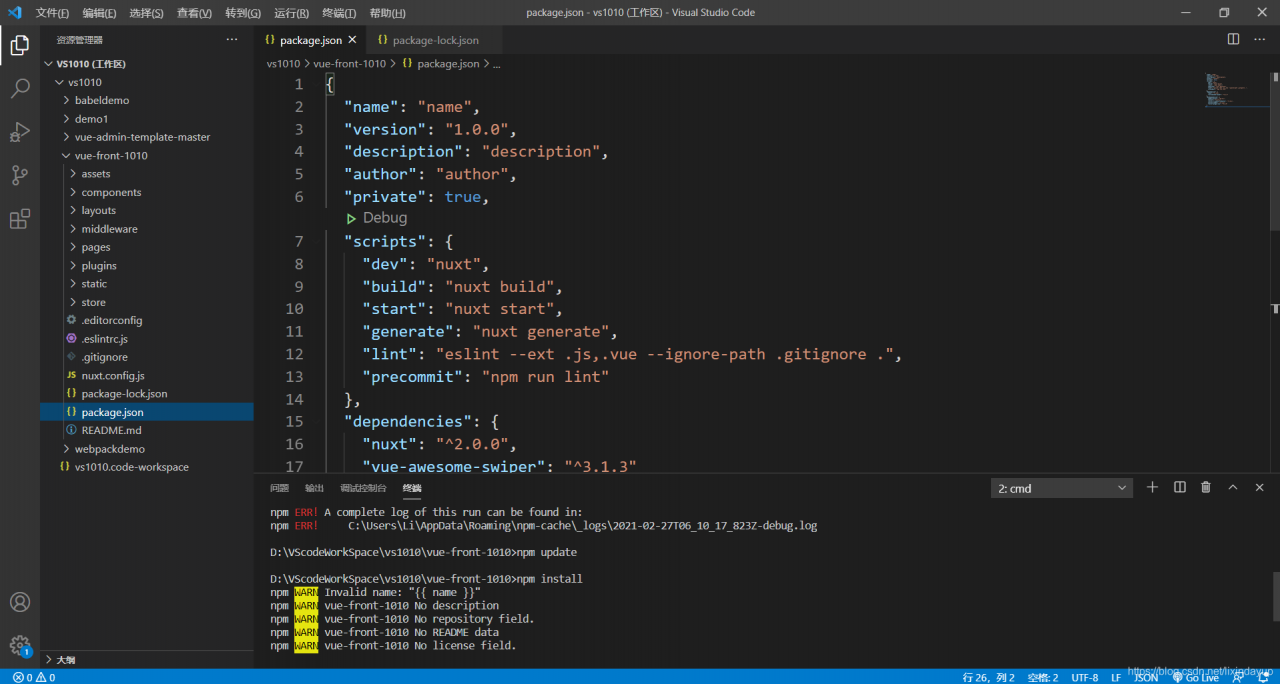
the package. The json file {{name}}, {{description}}, {{an}} respectively for your project name, project description, author, name
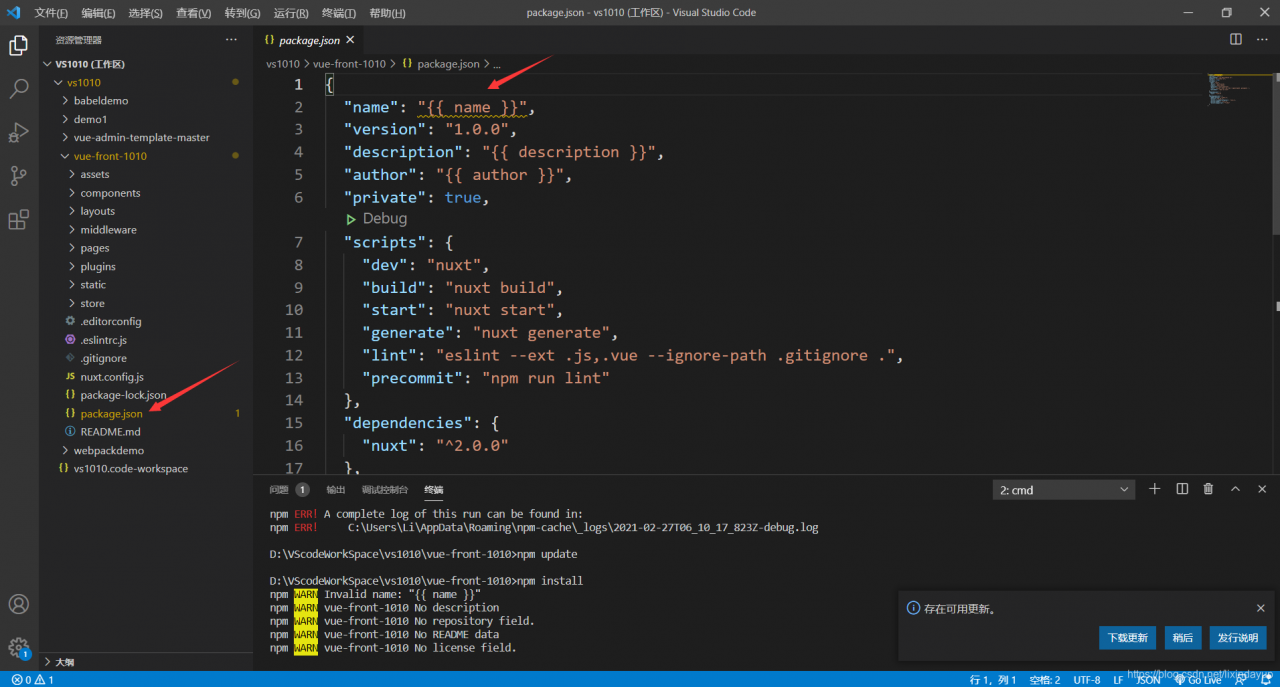 to
to
ason:
d>not configure the project name, etc
Solution:
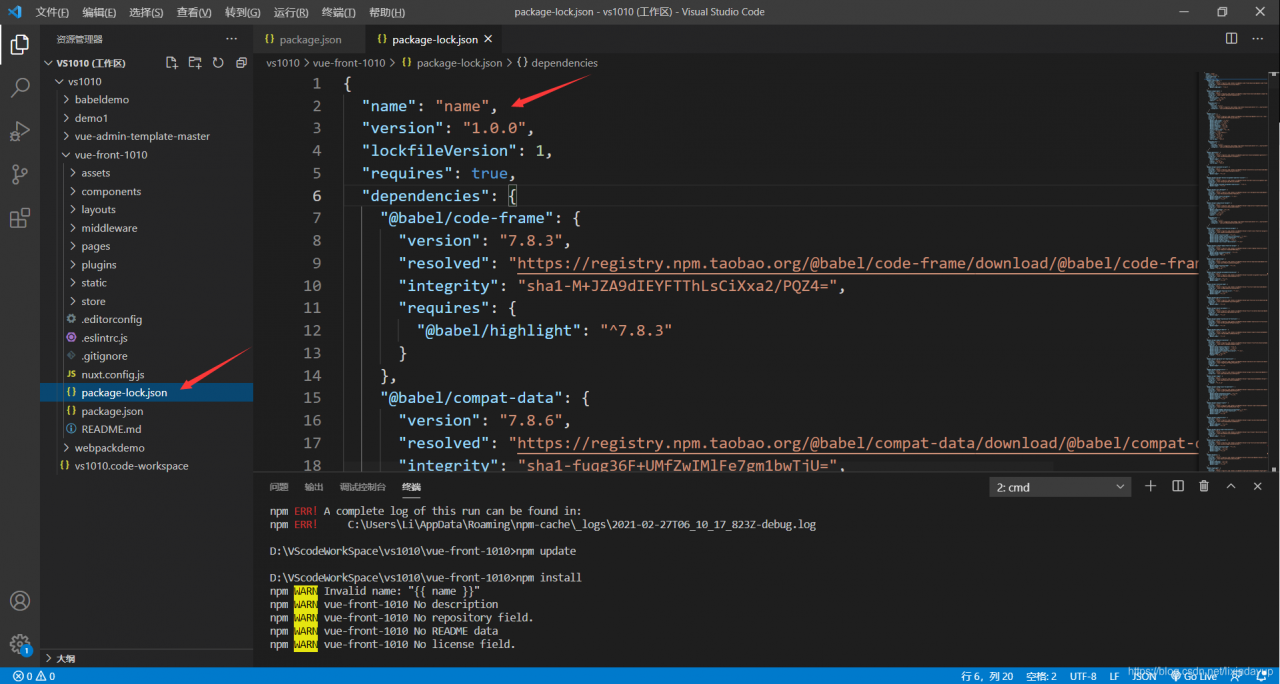
the package. The json file {{name}}, {{description}}, {{an}} respectively for your project name, project description, author, name
to
Problem description
>
>
>
>
>
>
>
>
>
systemctl status mysqld.service

journalctl -xe
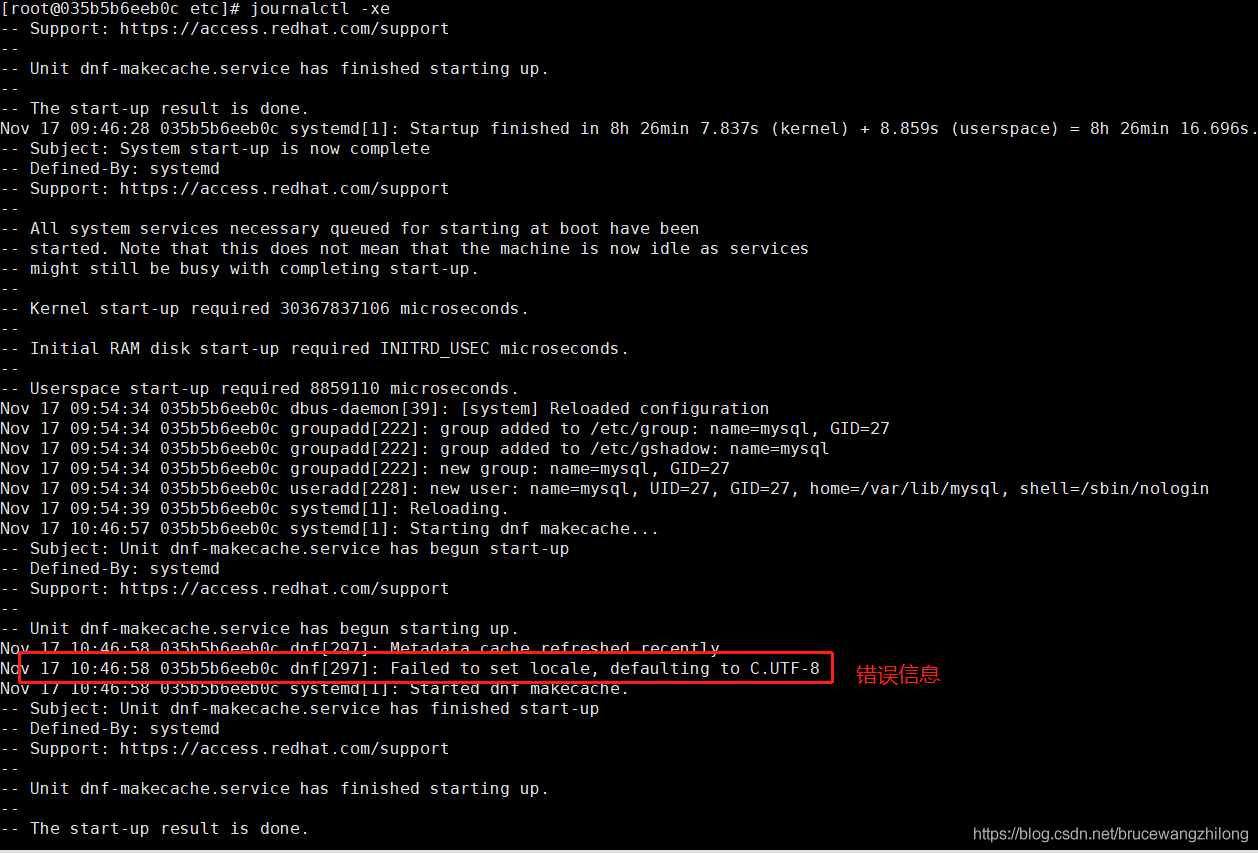
Failed to set locale, defaulting to C.UTF-8
How to solve
To set the system locale, use the localectl command. For example, if you want to use UTF-8 encoded American English (US), run the following command.
download centos docker mirror system default is ISO/IEC 15897 character set
need to utf-8.
to install all of the first character set
dnf install langpacks-en glibc-all-langpacks -y
Set character set
localectl set-locale LANG=en_US.UTF-8
Restart the mysql
bingo!!!!!!
success
Uncaught ReferenceError: Layer is not defined?
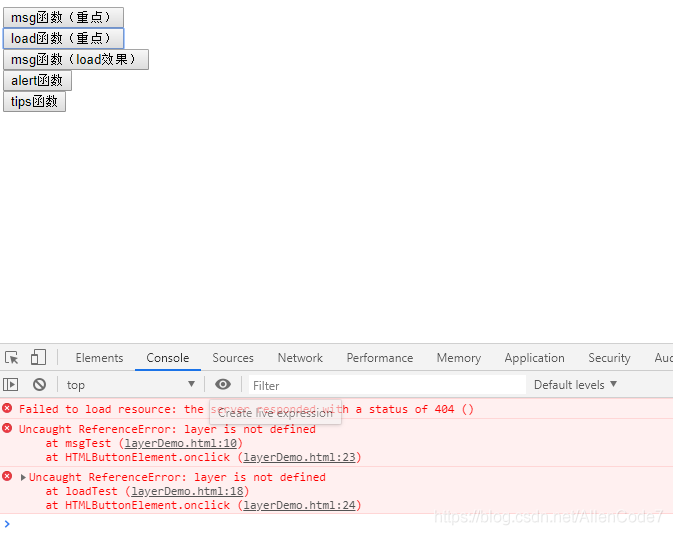
Since I’m using HTML =>; Static resources. So static resources need to be redeployed for the project to take effect
rm -f /var/run/yum.pid
An error occurred during a git pull:
LibreSSL SSL_connect: SSL_ERROR_SYSCALL in connection to github.com:443
Solutions:
	git config --global --unset https.proxy
	git config --global --unset http.proxy
def operate(file_path, *args):
    f = open(file_path, mode="a", encoding="utf-8")
    s = ""
    s = '_'.join(args)
    f.write(s)
    f.flush()
    f.close()
operate("hhhh.txt", 123, 456, 789)
Receive a string, but I wrote a number by mistake, then reported an error
TypeError: sequence item 0: expected STR instance, int found TypeError: sequence item 0: expected STR instance, int found TypeError: sequence item 0: expected STR instance, int found
Then look for the document, and here’s the original text
Return a string which is the concatenation of the strings in iterable. A TypeError will be raised if there are any non-string values in iterable, including bytes objects. The separator between elements is the string providing this method.
The join function is a string function, and the arguments and inserts are strings
So:
S = ‘_’.join(args) to
s = '_'.join(str(args).strip())That’s it!
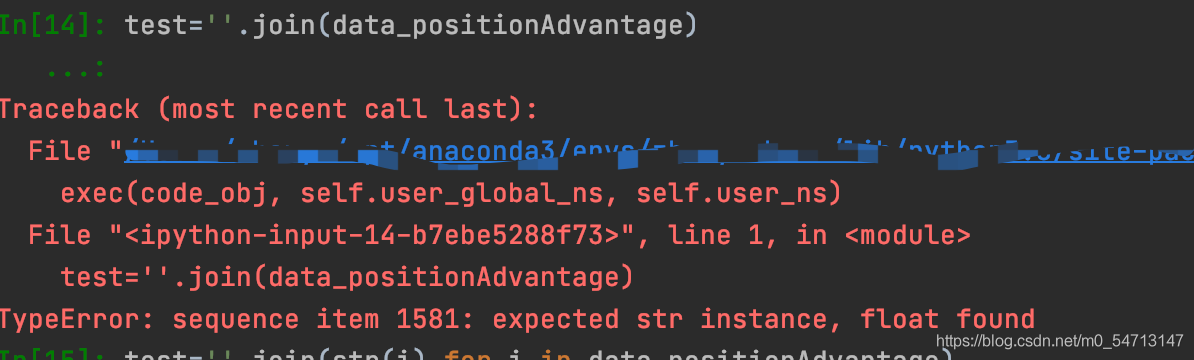
test=''.join(str(i) for i in data_positionAdvantage)
mysql -uroot -p

user mysql

set password for 'root'@'%' = '123456';
Performing encryption behind Java. Security. InvalidKeyException: illegal Key Size
Because the key is more than 128, sell Java. Security. InvalidKeyException: Illegal key size. Because the key length is limited, the Java runtime environment reads restricted policy files.
solution :
lution A:
g> the official download of the JCE unrestricted permission policy file, and replace the corresponding file
JDK7 download address: http://www.oracle.com/technetwork/java/javase/downloads/jce-7-download-432124.html
JDK8 download address: http://www.oracle.com/technetwork/java/javase/downloads/jce8-download-2133166.html
Download after decompression can see local_policy. Jar and US_export_policy jar and readme. TXT
if installed JRE, put the two jar files in % JRE_HOME % \ lib \ security directory under the cover of the original file
if installed JDK, and put the two jar files are in % JDK_HOME % \ JRE \ lib \ security directory to cover the original file
Option B:
Replace Oracle JDK with OpenJDK, the free and open source Java version of Oracle. OpenJDK does not have this limitation, and most Java services run on the OpenJDK environment
Next uses the Font Awesome library as the icon library by default. However, some Chinese social network ICONS are not available in the Font Awesome library, including the familiar ones Bilibili, Douban, and Jianshu. So if we want to use these ICONS, we need to manually add them using local ICONS.
First, you can find the icon you need on a site like Alibaba’s Vector Icon Library and download it in SVG format. Bilibili, for example, the SVG files placed in hexo engineering/source/images/Bilibili SVG.
Edit the source/_data/styles.styl file (create your own if you don’t) and add the following styles:
.fa-bilibili {
  background: url(/images/bilibili.svg);
  background-position: 50% 75%;
  background-repeat: no-repeat;
  height: 1rem;
  width: 1rem;
}
Note: Source under the Hexo project directory, not the source under the theme
Next, uncomment the style section of custom_file_path in the theme configuration file (such as theme/next/_config.yml).
custom_file_path:
  style: source/_data/styles.styl
Finally, reference it in the social link of the theme configuration file (such as theme/next/_config.yml).
social:
  Bilibili: https://space.bilibili.com/userid/ || fab fa-bilibili
I failed with hexo-cli 4.2.0 and NexT 8.2.1. Can anyone tell me how?
Reference reading:
https://theme-next.js.org/docs/advanced-settings/custom-files.html#Custom-Icon-Imagehttps://www.zywvvd.com/2020/03/28/next/20_custom_style/custom-style/